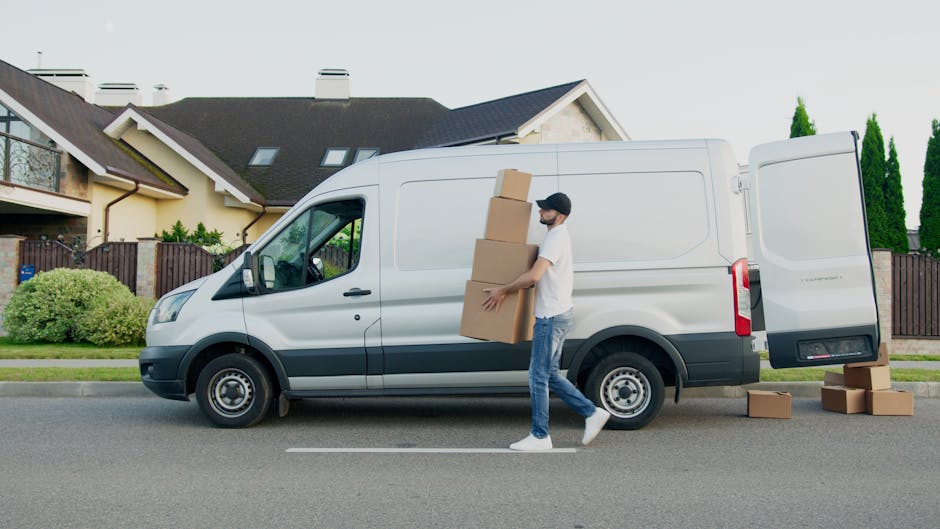
Raynes Park removals guide: narrow roads & best routes
Posted on 14/05/2026
Raynes Park removals guide: narrow roads & best routes
Moving house in Raynes Park can look straightforward on a map, then suddenly turn fiddly the moment a van meets a parked car, a tight turn, or a road that feels just a bit too narrow for comfort. That is the real story here. This Raynes Park removals guide: narrow roads & best routes is designed to help you plan a calmer move, avoid common access headaches, and choose routes that save time without adding stress.
Raynes Park is a pleasant part of southwest London, but like many residential areas around Merton, it has its own moving-day quirks: tighter side streets, busy school-run periods, speed cushions, controlled parking, and awkward corners where a larger vehicle needs proper room to swing in. If you are moving into a flat, a terraced house, or a family home, the difference between a smooth job and a frustrating one often comes down to route planning and access planning.
Below, you will find a practical guide to route choice, vehicle access, timing, packing, parking, and the small local details that make removals easier. If you want to compare service options as you read, you may also find the broader removal services overview useful, especially if you are deciding between a full team move and a simpler man and van service in Merton.
Quick takeaway: in Raynes Park, the best removal day is rarely the shortest route on paper. It is the route that gives your van space, predictable timing, and fewer surprises. Simple. Not always easy, but simple.

Why Raynes Park removals guide: narrow roads & best routes Matters
Raynes Park is one of those places where moving logistics can change from one street to the next. You may have a broad main road nearby, then a much narrower residential road just off it. That matters because a removal van needs more than just a destination; it needs room to approach, stop, load, unload, and leave without blocking traffic or risking damage.
In practice, narrow roads create a few common issues:
- Vehicles may struggle to pass if cars are parked on both sides.
- Large vans can find turning circles tight, especially near cul-de-sacs or dead ends.
- One-way systems and timed restrictions can push a move into a less convenient route.
- School traffic, commuter traffic, and delivery vans can slow things right down.
- Bad route planning can add unnecessary carrying distance from van to front door.
Truth be told, most removal delays in urban areas do not come from heavy lifting. They come from access. A perfectly packed van is useful, but it does not help much if it has nowhere sensible to stop.
That is why a local-first approach matters. It helps to think beyond the postcode and ask: where will the vehicle wait, where will it reverse, and which road gives the safest approach for the property? For more context on moving costs and the usual service setup, you can review pricing and quotes or check current pricing information before booking.
How Raynes Park removals guide: narrow roads & best routes Works
Good removals planning is part map-reading, part common sense, and part local judgement. The idea is to match your property access with the right vehicle size and the least disruptive route. That usually starts with a quick review of the surrounding streets, then a decision about whether a small van, medium van, or larger removal vehicle makes more sense.
Here is the basic process removal teams typically follow.
- Check the property access. Look at the road width, driveway options, parking bays, dropped kerbs, and whether a van can stop close to the entrance.
- Review turning space. A van may fit down a road, but if it cannot turn safely at the far end, it may cause trouble on departure.
- Plan the route with timing in mind. Morning and late afternoon can be busier, especially during school runs and commuter peaks.
- Match the vehicle to the access. Sometimes a smaller vehicle or a shuttle approach works better than forcing a larger truck into a narrow street.
- Prepare permissions if needed. In some moves, you may need to think about parking suspensions, visitor bays, or local restrictions.
On a practical level, the best route is often not the most direct one. It is the one that keeps your vehicle on wider roads for as long as possible before making the final approach to the property. That may sound obvious, but it is easy to miss when you are rushed and juggling completion times, keys, boxes, and the inevitable missing kettle.
If you are comparing service types, a dedicated house removals service may be the better fit for a larger move, while flat removals are often more efficient for properties with tighter access, stairs, or less loading space.
Key Benefits and Practical Advantages
Planning around narrow roads in Raynes Park is not just about avoiding inconvenience. It can improve the whole move from start to finish.
Fewer delays on the day
If the van already knows where it can park and how it will leave, your team is less likely to spend the first 20 minutes circling the area. Those minutes add up.
Lower risk of damage
Awkward reversing, tight kerbs, and rushed manoeuvres increase the chance of scraping a wing mirror, clipping a wall, or catching furniture on a corner. A planned route helps reduce that risk.
Better control over timing
Moves often feel chaotic because one delay leads to another. Better route planning keeps arrival, loading, and unloading closer to schedule, which is especially useful if you have a key handover deadline.
Less carrying distance
The closer the van can safely park, the easier the whole job becomes. Less carrying means less fatigue, fewer dropped items, and generally a calmer crew. Your back will thank you too, though it may not say it out loud.
More accurate quotes
When access is understood properly, quotes are usually more realistic. That is helpful whether you are booking a basic van move or a full packing and loading service. If you are still weighing the numbers, it can help to start with removals in Merton and then compare the options that fit your property type.
| Access situation | Likely challenge | Practical response |
|---|---|---|
| Narrow residential road | Limited passing space and parking | Use a smaller van or a timed arrival slot |
| Street with heavy daytime parking | No direct loading position | Plan a legal stopping point or shuttle carry |
| Flat with steps or a narrow entrance | Longer carry and slower loading | Pack for easier handling and reduce loose items |
| Family home near busy junction | Slower manoeuvring and traffic congestion | Book outside peak hours where possible |
Who This Is For and When It Makes Sense
This guide is for anyone moving in or around Raynes Park who wants fewer surprises on the day. That includes first-time buyers, renters, families, landlords, students, and small businesses relocating locally.
It is especially useful if you are:
- moving from a flat on a tight residential road;
- booking a van for a property with limited parking;
- moving bulky furniture through streets with little turning space;
- working to a completion deadline and cannot afford delays;
- trying to arrange a move around school runs, work commutes, or building access times.
Students and renters often need simpler logistics and faster turnaround. For that kind of move, a student removals service or a smaller van-based booking may be more practical. By contrast, if you are moving a piano, antique cabinet, or large sofa through a narrow street, specialised help makes much more sense. It really does.
There is also a good use case for same-day support if plans change suddenly. If keys are delayed, or a previous mover falls through, you may want to look at same-day removals in Merton. Not ideal, but sometimes life sends you a blunt little surprise.
Step-by-Step Guidance
If you want the smoothest possible move, use a simple sequence rather than trying to solve everything at once. This is the part where a bit of method saves a lot of hassle.
1. Walk the route from the property to the main road
Start outside the front door. Look for low branches, speed bumps, tight bends, parked vehicles, and any place where a van might need to slow right down. If you can, do this at roughly the same time of day as your planned move. The street at 9:00am can feel very different from the street at 2:30pm.
2. Measure what matters
You do not need to overcomplicate it, but a few simple measurements can help: doorway width, stair width, lift dimensions if relevant, and any gap between parked cars and the kerb. This is especially useful for large furniture and fragile items.
3. Choose the right vehicle size
In narrow-road areas, bigger is not always better. A slightly smaller vehicle may complete the move faster if it can stop closer to the property. If you need flexibility, a man with a van in Merton is often a strong fit for light-to-moderate loads and tighter access points.
4. Build in buffer time
Add time for parking, loading, and a possible second attempt at access. Buffer time is boring when you do not need it, and priceless when you do. That is the honest version.
5. Protect the route from avoidable delays
Keep boxes grouped near the exit, remove trip hazards, and reserve space for the team to move. If parking is uncertain, make sure the person handling access knows the plan. Sometimes the move runs smoothly simply because one person took charge of the parking and everyone else could focus.
6. Confirm the unloading point
Do not assume the destination will be easier than the collection address. New builds, flats, and terrace streets can all have different restrictions. If your final property has especially tight access, consider whether storage in Merton could reduce pressure by splitting the move into stages.
Expert Tips for Better Results
There are a few small adjustments that consistently make Raynes Park moves easier. These are the little things that experienced crews tend to notice first.
- Use the widest sensible approach. Even if it adds a minute or two, a wider road with better sightlines is often the safer arrival route.
- Avoid peak school traffic where you can. School gates and narrow roads are not a friendly combination. Everyone knows that one.
- Prepare for a short carry. If direct parking is not possible, create a clean, clear path from the kerb to the door.
- Label awkward items clearly. Anything fragile, oversized, or top-heavy should stand out immediately.
- Think in loading order. Items needed first at the new address should be loaded last so they come off first.
- Keep one person available for access decisions. Too many opinions at the kerbside can slow things down more than the road itself.
If you are moving furniture that is large, delicate, or awkward to carry through narrow streets, a specialist service can be well worth it. For example, furniture removals in Merton can help with dismantling, padding, and moving bulky items without turning the day into a wrestling match.
And if your move includes a piano or other unusually heavy item, do not improvise. Really, don't. A proper piano removals service is designed for exactly that sort of challenge.

Common Mistakes to Avoid
Most moving problems in narrow-road areas are avoidable. The trick is spotting them before they happen, which is easier said than done when you are tired and thinking about utility bills.
Booking a van that is too large for the street
A large vehicle may look efficient on paper, but if it cannot access the road cleanly, it can slow everything down. Sometimes the smarter choice is a smaller van with easier positioning.
Ignoring parking pressure
"We'll find somewhere" is not a plan. On busy residential roads, you need a realistic idea of where the vehicle will stop legally and safely.
Leaving packing too late
If boxes are still open when the van arrives, the loading window gets messy. That is where items go missing, glass gets chipped, and everyone starts rushing.
Forgetting about stairs and tight corners
Access is not only about the road. Sometimes the real obstacle is a narrow hallway, a bend on the stairwell, or a lift that cannot quite take a sofa. If you are not sure, take photos and share them early.
Not checking the weather
Rain, wind, and early darkness can make tight access even harder. Wet cardboard is not fun, and winter evenings in southwest London come round fast.
One more thing: do not assume all removal companies approach Raynes Park the same way. A local company familiar with Merton streets may suggest a different approach to a national chain. For trust and service detail, it can help to read about the company and review insurance and safety information before you confirm anything.
Tools, Resources and Recommendations
You do not need a truckload of tech to plan a good move, but a few tools make life easier.
- Mapping apps: useful for checking route options, road widths, and estimated journey times.
- Street-view style checks: helpful for spotting parked cars, bends, and the general feel of the road.
- Basic tape measure: still one of the best tools you can use.
- Phone photos: take pictures of staircases, entrances, gates, and any awkward loading point.
- Inventory list: keeps you honest about what is going and what is staying.
For packing support, you may want to look at packing and boxes in Merton. Good packing is not just neatness. It helps protect items when your carry route is a bit longer than expected.
If you are moving a business, office equipment, or filing systems, the road layout matters even more because timing can affect staff downtime. In that case, office removals in Merton is worth considering alongside your route plan.
And if you are still comparing providers, a glance at removal companies in Merton can help you compare the style of service, not just the headline price. Sometimes the cheapest quote is the one with the least useful access planning. It happens.
Law, Compliance, Standards, or Best Practice
Moving in a place like Raynes Park is not usually about complicated legal rules, but there are still important standards to respect. The main ones are common-sense, safety-led, and aligned with normal UK moving practice.
Parking and road use: always check local restrictions, markings, and any time limits before arranging a vehicle stop. Parking on double yellows, blocking access, or using a space you are not entitled to can create delays and penalties.
Safe loading: reputable movers should load items securely, use appropriate handling methods, and avoid unsafe lifting. If a move involves stairs, heavy objects, or awkward angles, the team should slow down rather than force the issue.
Insurance and liability: confirm what cover applies to your move and what is excluded. This is especially relevant for fragile, high-value, or specialist items. It is sensible to read the provider's terms and conditions and check their payment and security details before booking.
Environmental care: reducing wasted journeys, choosing the right van size, and recycling packing materials all support a more efficient move. If that matters to you, have a look at recycling and sustainability guidance.
Accessibility and fair service: if you or someone in your household needs a more accessible process, it is worth checking support information in advance. A useful provider will make practical adjustments where possible and explain things clearly.
In short: legal compliance is not glamorous, but it keeps the move safe and civilised. Which, let's be honest, is exactly what you want on moving day.
Options, Methods, or Comparison Table
Different properties in Raynes Park call for different move styles. The right approach depends on access, volume, urgency, and how much help you want on the day.
| Method | Best for | Strengths | Watch-outs |
|---|---|---|---|
| Small van / man and van | Flats, lighter loads, tight streets | Flexible, often easier to park | May need multiple trips for larger loads |
| Full removal van | Family homes, larger inventories | Efficient for bigger moves | Needs better access and parking planning |
| Specialist item move | Pianos, antiques, oversized furniture | Extra protection and handling expertise | Usually needs more preparation time |
| Split move with storage | Gap between move-out and move-in dates | Reduces pressure on the day | Requires extra coordination |
For many Raynes Park streets, the practical sweet spot is a service that can adapt rather than one that only works in perfect conditions. That flexibility is worth a lot when parking is uncertain or the road bends more sharply than you expected.
Case Study or Real-World Example
Imagine a typical move from a first-floor flat just off a busy Raynes Park residential street. The property itself is not huge, but the road is narrow and lined with parked cars. A large van can technically enter, but there is little room to wait, and reversing out would be awkward if another vehicle arrives behind it.
In this sort of move, the smarter approach is usually to park on a wider nearby road, then carry smaller loads a short distance. Boxes are grouped by room, a sofa is protected with blankets, and the moving team keeps a clear order so the first items needed at the new address are easy to reach. That changes the day completely.
Instead of spending time squeezing in and out of a tight road, the team keeps moving steadily. There is still work, of course. There always is. But it feels controlled rather than frantic, and the customer is not left standing on the pavement wondering why a simple move now looks like a street puzzle.
This is also where a local understanding of Merton streets pays off. If the team has handled similar access patterns before, they will often know when to take the wider approach, when to avoid a school-run bottleneck, and when a smaller vehicle is the more sensible choice.
If you are planning a move and want to understand who is behind the service, it may help to read more about the local moving team and their practical approach to everyday removals.
Practical Checklist
Use this before moving day. It keeps things steady when the rest of the week gets noisy.
- Confirm the pickup and delivery addresses in full.
- Check whether either road is narrow, one-way, or heavily parked.
- Decide where the van will stop legally and safely.
- Take photos of tight entrances, stairs, and any awkward corners.
- Measure large furniture and compare it with doorways and hallways.
- Book the right size vehicle for the access, not just the volume.
- Pack fragile items securely and label them clearly.
- Set aside a priority box for keys, chargers, documents, and basics.
- Check whether you need storage, a split move, or specialist handling.
- Review insurance, payment, and booking terms before the day.
- Keep access details in one message or document so everyone can see them.
Helpful reminder: if the route feels questionable on a map, trust your instincts and ask for a second look. That tiny bit of caution often saves the whole day.
Conclusion
Raynes Park removals are usually easiest when you respect the local geography. Narrow roads, parked cars, and busy timings are not deal-breakers, but they do mean you need a thoughtful plan. Once you choose the right route, match the van to the access, and keep the loading process organised, the move becomes far more manageable.
The best outcome is not just getting everything from A to B. It is getting there without unnecessary stress, damage, or wasted time. That is the standard worth aiming for, whether you are moving a studio flat, a family home, or a single awkward sofa that somehow weighs more than the rest of the room put together.
If you are still comparing options, start with the service level that fits your property, check the practical details, and ask about access planning early. A little preparation goes a long way, especially on a street where the kerb feels a bit too close for comfort.
Get a free quote today and see how much you can save.